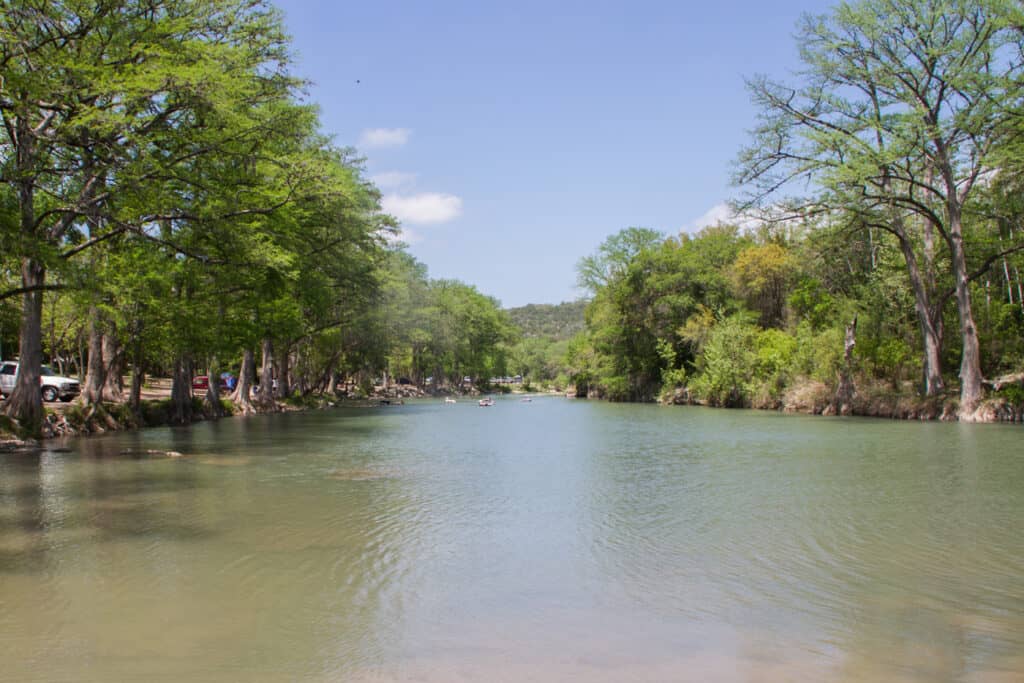

Atlanta State Park sits on the south shore of Wright Patman Lake in Cass County, Texas, about 11 miles northwest of the town of Atlanta. It’s about 50 minutes from Texarkana and about 3 hours 20 minutes from Dallas. It’s best for quiet lakeside camping, fishing and short, easy hikes under tall pines. The park often reaches capacity in summer, so reserve a campsite or day pass before driving out.
At a Glance
- Drive time: about 3 hr 20 min from Dallas, 5 hr 40 from Houston
- Entry fee: $3 adults; 12 and under free
- Hours: 6 a.m. to 10 p.m. daily; no gate
- Reservations: advised; the park often fills in summer
- Dogs: yes, 6-foot leash; not in the swim area
- Swimming: swim beach, no lifeguards
- Camping: 58 sites, all water and electric
- Best time: October to November, March to May
- Hunt closures: Nov 30–Dec 4, Dec 27–31, Jan 15–19
- Cell signal: weak; Wi-Fi near headquarters
- Run by: TPWD, (903) 796-6476
On This Page
- Swimming at the Swim Beach
- Fishing, Boating and Paddling
- Hiking and Biking Trails
- Camping
- Birds, Wildlife and the 2016 Flood
- Best Time to Visit
- What Visitors Say
- Getting There
- Know Before You Go
- Nearby Parks
- FAQ
- Sources and Official Links
Swimming at the Swim Beach
Swimming is allowed at Atlanta State Park in a designated swim area on Wright Patman Lake, with no lifeguard on duty. Texas Parks and Wildlife (TPWD) calls it the swim beach. It sits in the lakeside day-use area, next to the playground and picnic tables, at the end of the Bobo’s Ferry Trail.
The swim area depends on the lake level, and the lake rises and falls a lot.
- Low water: TPWD closed the swim area and both boat ramps on March 30, 2026, when the lake dropped to about 222 feet. The closure was gone from the alerts page by June 1, 2026
- Lake level now: Wright Patman Lake stood at about 224.8 feet on October 31, 2026, about 4 feet above its normal conservation level, according to Water Data for Texas
- Dogs: pets aren’t allowed in the water or on the land around a designated swim area, under TPWD’s statewide pet rules
Fishing, Boating and Paddling

Wright Patman Lake is the main draw for anglers and boaters at Atlanta State Park. The park has two boat ramps, a fish-cleaning facility and canoe and kayak rentals. TPWD says that no fishing license is needed to fish in a Texas state park.
- Fish: TPWD’s Wright Patman Lake page lists largemouth bass, white bass, crappie, blue, channel and flathead catfish, bluegill and redear sunfish. TPWD reports high numbers of quality white bass and quality-size channel and blue catfish, and the park page mentions 75-pound catfish
- Bank fishing: visitors say spots on shore are limited, mostly near the boat ramp
- Boat ramps: one 1-lane ramp and one 2-lane ramp with a courtesy dock. Both closed for low water in spring 2026, and a reviewer found one closed in October 2025. Water-skiing is allowed on the lake
- Rentals: canoes and kayaks rent from the Texas State Parks Store in headquarters, and the park map marks a canoe launch near Wilkins Creek. Call the park for current prices. The park also lends fishing tackle
- Boats: clean, drain and dry boats before and after launching to stop invasive species
Lake Levels
Wright Patman Lake is a US Army Corps of Engineers flood-control lake on the Sulphur River. TPWD lists its normal swing at 4 to 5 feet, but over the past year it ran from about 222 feet in March and April 2026 to about 231.6 feet in June and July. Check the current lake level before bringing a boat.
Hiking and Biking Trails
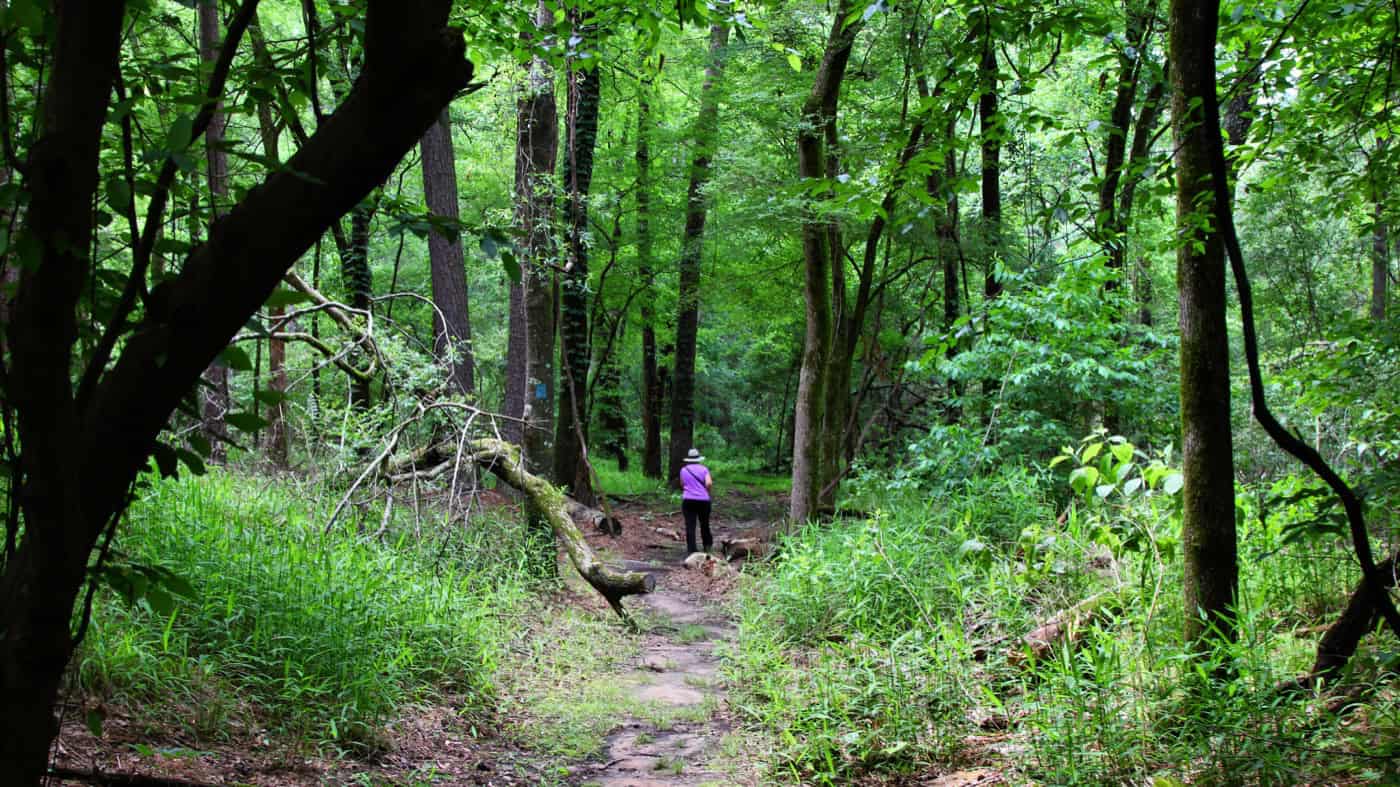
Atlanta State Park has 4.8 miles of hiking trails, according to TPWD. They are short and mostly easy, through pines and hardwoods above the lake, and every trail is open to hikers and bikes unless posted.
| Trail | Miles | Difficulty |
|---|---|---|
| Terrace Trail (old farmland) | 0.3 | Easy |
| Bobo’s Ferry Trail (headquarters to the swim beach) | 0.5 | Easy |
| Volksmarch Trail (links to Arrowhead) | 0.7 | Easy |
| Hickory Hollow Nature Trail | 0.7 | Moderate |
| Arrowhead Trail (ends at a lake view) | 0.8 | Easy |
| White Oak Ridge Trail (above the lakeshore) | 1.2 | Easy |
Miles as TPWD’s trail list gives them. The six trails add up to 4.2 miles, short of TPWD’s 4.8-mile total, and TPWD notes the list may not include every trail. Neither source says whether the miles are one way or round trip.
Trail Tips
A few details make the trails at Atlanta State Park more interesting.
- History: Bobo’s Ferry Trail follows an old wagon trace. Near the site of Samuel Bobo’s ferry across the Sulphur River, the wagon ruts run more than 3 feet deep
- Lake views: Arrowhead Trail ends at a lake view, and a short spur off White Oak Ridge Trail reaches the shoreline
- Footing: reviewers call the trails well kept, with a few steeper stretches and mud after heavy rain. Trail markers get mixed reviews, so grab a park map (PDF)
- Bikes: the park roads are hilly and open to bikes, and campers bring bikes to get around the spread-out park
- Access: Arrowhead Trail is fairly level, hard-packed sand, though not rated accessible. The park lends an all-terrain wheelchair; call ahead
Camping
Every campsite at Atlanta State Park has water and electricity, and 14 also have sewer hookups. TPWD lists 58 sites in three camping loops: Knights Bluff, Wilkins Creek and White Oak Ridge. There are no cabins, screened shelters or primitive (no-hookup) sites.
Campsite Types
Prices are TPWD’s per-night rates, plus the daily entry fee. Full hookup means water, electric and sewer at the site; a pull-through site lets an RV drive in one end and out the other.
- Full hookup, 50-amp (8 sites, $16): sites 16–23 in Knights Bluff, pull-through, with room for big rigs
- Full hookup, 30-amp (6 sites, $16): sites 10–15 in Knights Bluff, back-in, about 34 to 39 feet
- Water and electric, 50-amp (6 sites, $14): sites 24–26 and 41–43 in Wilkins Creek, pull-through
- Water and electric, 30-amp (38 sites, $14): Knights Bluff sites 1–7 (back-in, 22 to 30 feet), Wilkins Creek sites 27–40 (pull-through) and White Oak Ridge sites 44–59 (back-in, about 25 feet)
The reservation site lists 53 of these sites online; sites 13, 23, 25 and 34 don’t appear there. Call the park about any site that isn’t listed.
Reservations and Camp Rules
Full hookup and 50-amp sites are the first to go, so book those early.
- Campsites open for booking 5 months ahead, online or at (512) 389-8900. Walk-up campers get open sites first come, first served, for the night they arrive only
- Check-in is 2 p.m. and check-out is noon
- Up to 8 people and 2 tents per site
- The park has no gate. After hours, campers pay at the self-pay station at headquarters, and card payers register by 9 a.m. the next morning
- A burn ban has been in place since August 18, 2026: no wood or charcoal fires, though fuel stoves are allowed. When fires are allowed, buy firewood locally: Cass County is under an emerald ash borer quarantine, and gathering wood in the park isn’t allowed
- Gray and black water go only in the dump station
- The group picnic pavilion holds up to 100 people for $35 a day plus entry. Book it up to 12 months ahead at (512) 389-8920
Campers praise the shade from tall pines. No site sits on the lake, a few pads slope, and White Oak Ridge sites sit close together.
Birds, Wildlife and the 2016 Flood
Atlanta State Park’s pine and hardwood forest holds East Texas woodland birds, and the lake draws waterbirds in winter. TPWD lists brown-headed nuthatches and pine warblers in the woods, and buffleheads, ruddy ducks, American white pelicans and cormorants on the lake.
- Eagles: a lake overlook stop on the trails is a spot to watch for bald eagles and white pelicans
- What visitors report: foxes, a bobcat, feral hogs, a kingfisher, and red-headed and pileated woodpeckers
- Snakes: cottonmouths and copperheads live in the park. Watch where hands and feet go near logs and the water
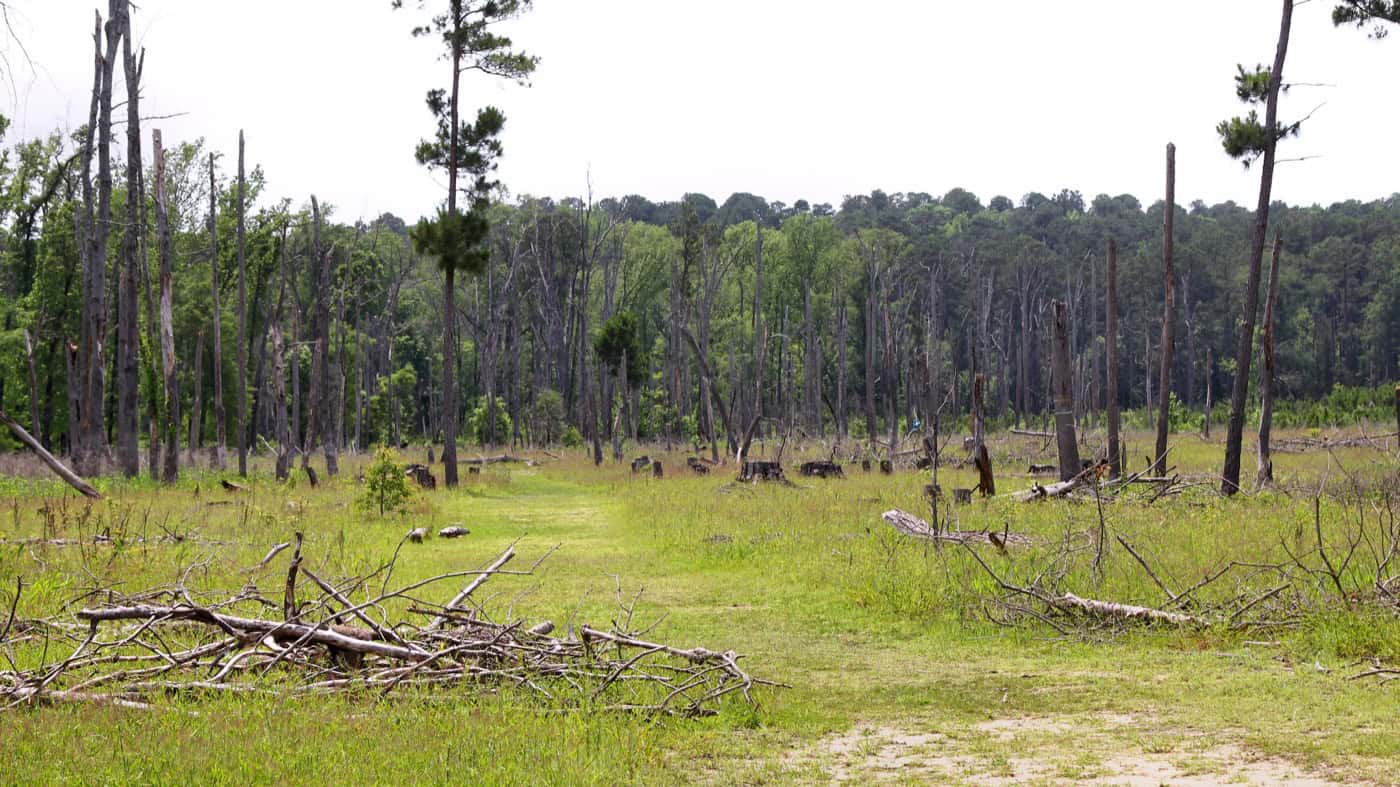
- The 2016 flood: in 2016, standing water covered large parts of the forest floor for four months. A trail stop marks an old-growth pine stand that sat under 10 feet of water and is now replanted with bottomland hardwoods

Best Time to Visit
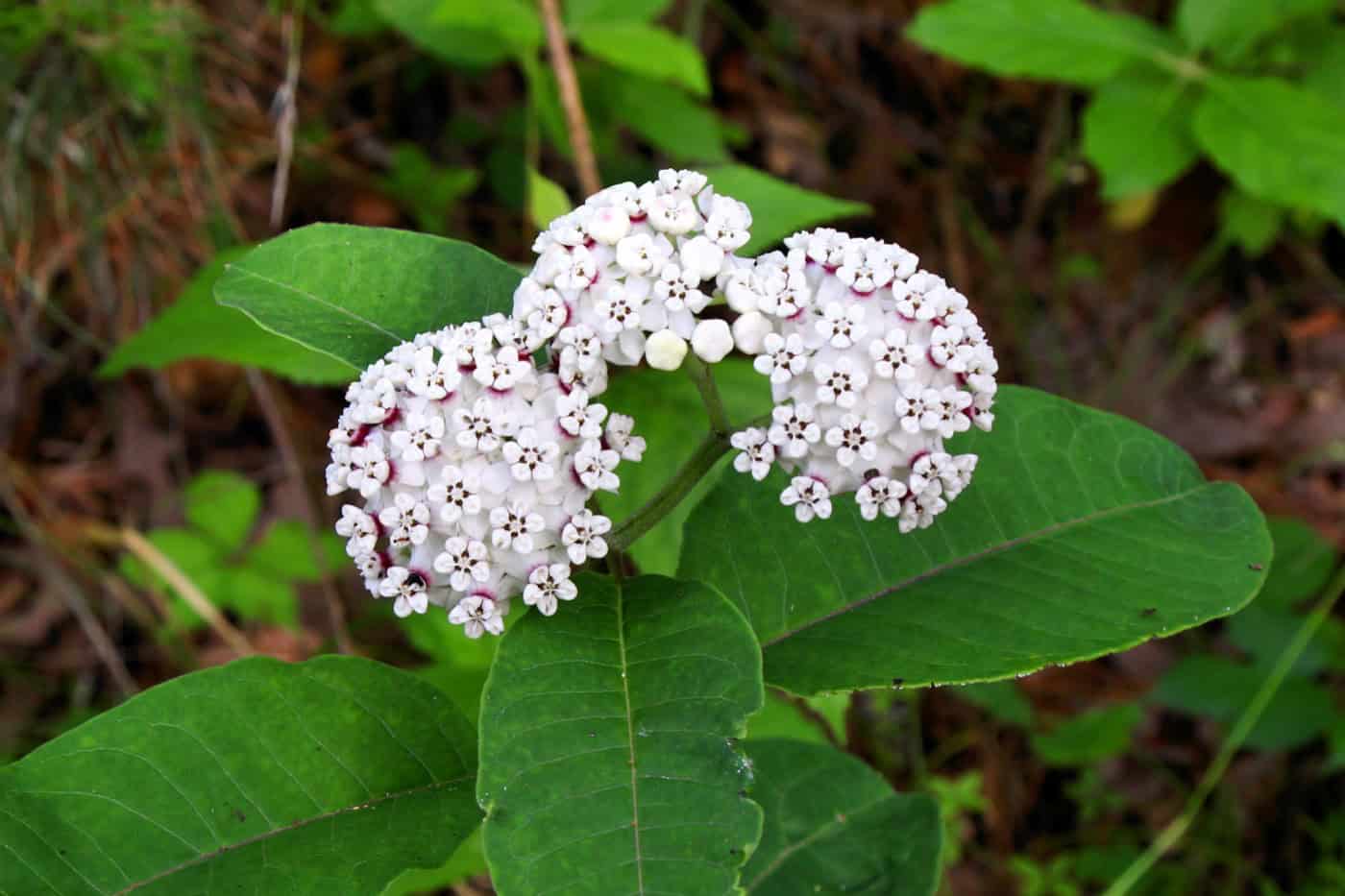
Fall and spring are the best seasons at Atlanta State Park, with mild weather, fall color and spring dogwoods. Summer is the busy season and hot, and the whole park closes for drawn deer hunts on set dates in winter.
- Fall (October to November): TPWD calls the fall color spectacular. The first freeze usually comes in early November, and the first hunt closure starts November 30
- Winter (December to February): January lows average 32°F, and campers say the park is nearly empty. Winter waterbirds arrive. Check the hunt closure dates before booking
- Spring (March to May): dogwoods bloom under the pines. April and May are the wettest months, so expect muddy trails, and in a dry spring the lake can drop low enough to close the ramps
- Summer (June to August): July highs average 90°F. Visitors report swarms of midges and no air conditioning in the bathhouses
Seasonal events in 2026 include Christmas in the Park on December 11 and 12, and First Day Hikes on January 1, 2027. See the park events calendar for details.
What Visitors Say
Atlanta State Park averages 4.7 stars across 170 Google reviews from November 2024 to October 2026, and 4.6 stars across 852 reviews overall. Most praise the quiet, the tall pines and the staff.
- Quiet: the most common praise. Even holiday weekends felt calm to campers, and weekdays in the off-season are close to empty
- Staff: rangers and camp hosts get repeated thanks, including hosts who helped campers with a flat tire
- Restrooms: most reviewers found them clean, with hot showers and heat in winter. The buildings are dated, with no air conditioning, and some soap dispensers were broken
- Trails: easy and well kept, but short. A few are out-and-back, and some hikers wanted more miles
- Lake: sunsets from the boat ramp are a favorite. In 2026 the low lake closed both ramps for a time, and boaters and anglers noticed
- Cell service: weak. One camper got 1 to 2 bars of 4G at site 22, and Wi-Fi works only near the park office
Getting There
Atlanta State Park is at 927 Park Road 42, about 11 miles northwest of Atlanta, Texas. From Atlanta, take SH 77 north, then FM 96 west and FM 1154 north to Park Road 42. From Texarkana, take US 59 south to Queen City, then FM 96 west 6.5 miles to FM 1154 and turn right; the entrance is 1.6 miles ahead, where FM 1154 dead-ends at the park.
Drive times to park headquarters:
- Texarkana: about 50 minutes
- Shreveport, Louisiana: about 1 hour 40 minutes
- Tyler: about 2 hours 20 minutes
- Dallas: about 3 hours 20 minutes
- Houston: about 5 hours 40 minutes
- Austin: about 6 hours 35 minutes
- San Antonio: about 8 hours
A few things to know before driving out:
- Texas, not Georgia: searches and map apps mix this park up with Atlanta, Georgia. Enter the street address
- Back roads: in April 2025, washouts closed FM 96 and TPWD warned drivers from Texarkana not to follow GPS onto a rough, narrow road. Check the alerts page for road closures
- Arrive in daylight: campers say sites are hard to find after dark
- Three states: the corner where Texas, Arkansas and Louisiana meet is about 23 miles away by road
Know Before You Go
Atlanta State Park is small and easygoing, but the lake level, hunts and burn bans change what is open. These fees, rules and tips matter most.
- Fees and passes: $3 a day for adults 13 and older; children 12 and under get in free. Campsite fees are added to entry. The Texas State Parks Pass ($70 a year) covers entry for the holder and guests. Confirm current fees on the TPWD fees page
- Booking: day passes can be reserved up to 1 month ahead, campsites 5 months and the pavilion 12 months. TPWD says the park often reaches capacity, and summer is the busy season
- Hours: the park is open 6 a.m. to 10 p.m. daily. Headquarters office hours aren’t published, so call ahead to rent a boat
- Hunt closures: the whole park closes for drawn deer hunts from noon November 30 to 8 a.m. December 4, 2026; noon December 27 to 8 a.m. December 31, 2026; and noon January 15 to 8 a.m. January 19, 2027
- Fires: burn ban since August 18, 2026; fuel stoves only
- Dogs: on a leash no longer than 6 feet, never left alone, and kept out of buildings and the swim area. Bring proof of rabies vaccination
- Alcohol: public drinking or display of alcohol is against park rules
- Wildlife: watch for snakes near logs and the shore, and lock food away from feral hogs at night
- Facilities: restrooms with hot showers, a dump station, a park store, a playground and sand volleyball
- What to bring: soap, bug spray in summer and leveling blocks
Check conditions first: lake levels, burn bans, hunts and road washouts all close parts of the park. Check the Atlanta State Park alerts page or call (903) 796-6476 before driving out.
Nearby Parks
Two other TrekTexas guides cover East Texas parks within about 2.5 hours of Atlanta State Park.
- Caddo Lake State Park: about 44 miles south, with cypress-lined bayous to paddle and CCC cabins
- Tyler State Park: about 113 miles southwest, with a spring-fed swimming lake and hike and bike trails
- TPWD also lists Daingerfield and Lake Bob Sandlin state parks nearby
- More parks in North and East Texas: Parks Near Dallas
FAQ
Does Atlanta State Park have cabins?
No. Atlanta State Park has water and electric campsites only, with no cabins or screened shelters. Caddo Lake State Park, about an hour and 15 minutes south, rents cabins.
How much does it cost to get into Atlanta State Park?
Entry is $3 a day for adults 13 and older, and free for children 12 and under. Campsites add $14 to $16 a night.
Is Atlanta State Park in Texas or Georgia?
This Atlanta State Park is in northeast Texas, in Cass County near the town of Atlanta, Texas, on Wright Patman Lake. It is about 50 minutes from Texarkana.
Are the boat ramps open at Atlanta State Park?
No ramp closure was posted on October 31, 2026, and the lake stood about 4 feet above its normal level. Both ramps close when the lake drops low, as they did in spring 2026, so check the alerts page before towing a boat.
Sources and Official Links
Facts in this guide were last checked in October 2026 against these sources.
- Atlanta State Park (TPWD)
- Entrance fees and campsites (TPWD)
- Trail list and park map (PDF) (TPWD)
- Park alerts and park events (TPWD)
- Wright Patman Lake fishing and fishing in state parks (TPWD)
- Wright Patman Lake level (Water Data for Texas)
- Atlanta State Park reservations (Texas State Parks)
Featured photo: Larry D. Moore, Wikimedia Commons (CC BY 4.0), May 2023
Get More Texas Outdoor Adventure Tips
Subscribe to get more places to explore in the great outdoors of Texas. We’ll never share your email. Unsubscribe any time.